
Why Does My Generator Need a Ground Rod?
(And What We Found Inside This Transfer Switch During a Recent Installation)
One of the most common questions homeowners ask during a standby generator installation is:
"Why are you driving a copper rod into my yard? Doesn't my house already have a ground?"
The answer depends on several factors, including the type of transfer switch being installed, the existing electrical service, local code requirements, and the specific generator configuration.
During a recent Generac standby generator installation, our technicians were installing the grounding system for the automatic transfer switch when they discovered something they definitely weren't expecting.
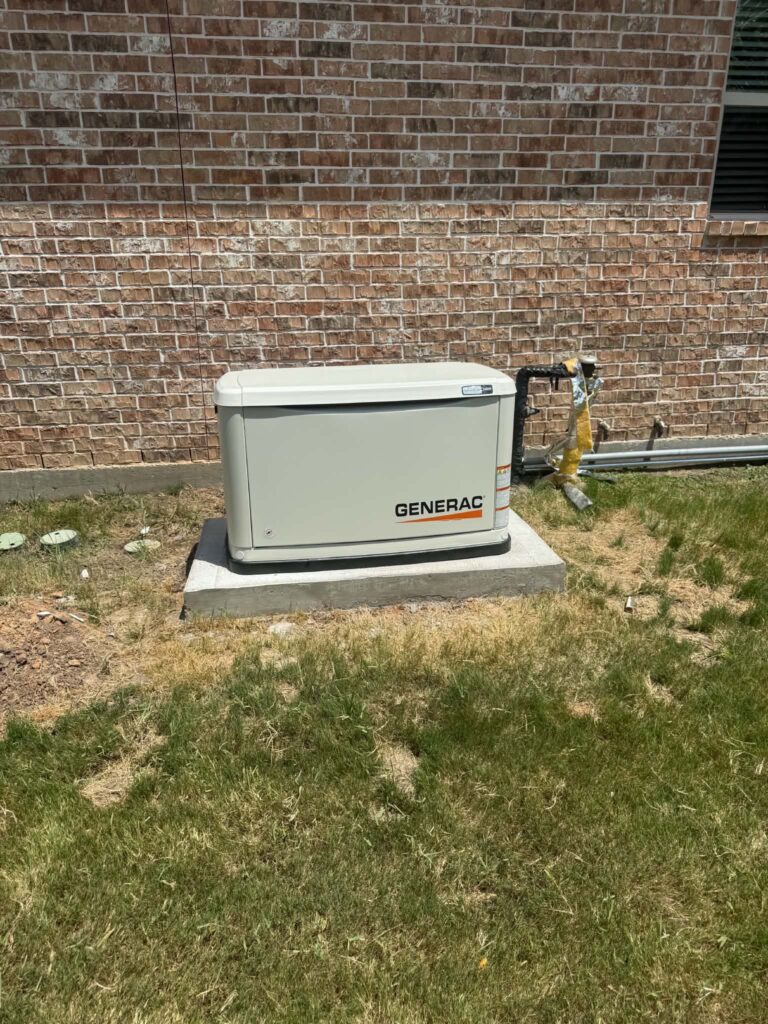
A real world reminder that electrical equipment lives outdoors
When our technicians opened the automatic transfer switch during installation, they found that a small lizard had managed to make its way inside the enclosure.
While finding wildlife inside electrical equipment isn't an everyday occurrence, it's a good reminder that standby generators and transfer switches operate outdoors year-round, exposed to weather, insects, animals, moisture, and everything else Mother Nature can throw at them.
That's one reason professional installation and inspection are so important.

What Is a generator ground rod?
A grounding rod is a copper or copper-clad steel rod driven into the earth and connected to your electrical system.
The purpose of the grounding system is to:
- Provide a safe path for electrical faults
- Help stabilize electrical voltage
- Reduce the risk of electric shock
- Help dissipate lightning and surge energy
- Protect electrical equipment from damage
- Ensure the installation complies with applicable electrical codes
Although homeowners rarely see it once the installation is complete, the grounding system is one of the most important safety components of any standby generator installation.
Does every standby generator need its own ground rod?
The answer is: not always.
Many residential standby generators utilize the home's existing grounding electrode system. However, depending on the type of automatic transfer switch installed, the generator's bonding configuration, local electrical code requirements, the existing electrical service setup, and utility company requirements, an additional grounding electrode (ground rod) may be required.
This is one of the reasons why standby generator installations should always be performed by qualified professionals who understand both manufacturer requirements and local electrical codes.
Why proper grounding matters
Without proper grounding, electrical faults may not have a safe path to earth. Improper grounding can potentially contribute to:
- Damage to the standby generator
- Damage to sensitive electronics and appliances
- Nuisance breaker trips
- Electrical shock hazards
- Reduced equipment protection during surges and lightning events
A properly designed grounding system helps ensure that your standby generator operates safely and reliably when you need it most.
Every installation is different
One of the biggest misconceptions homeowners have is that every generator installation is exactly the same.
In reality, every home has unique factors that affect the installation process, including:
- The home's existing electrical service
- The size of the generator
- The transfer switch configuration
- Local building and electrical codes
- The location of gas and electrical utilities
- The property's existing grounding system
That's why a professional site evaluation is one of the most important steps before installing a standby generator.
The bottom line on generator ground rods
When you invest in a standby generator, you're not just purchasing a generator sitting on a concrete pad. You're investing in an entire electrical protection system designed to safely power your home during an outage.
The grounding system may be one of the least visible parts of the installation, but it's one of the most important.
And occasionally, as our technicians recently discovered, it's also where you'll find a surprise visitor.
Need a standby generator installed in the Houston area?
At Texas Generator Pros, powered by ACE Electrical Services, our licensed technicians design and install complete standby generator systems that meet manufacturer specifications and local code requirements, helping ensure your generator operates safely and reliably when the power goes out.